Overview
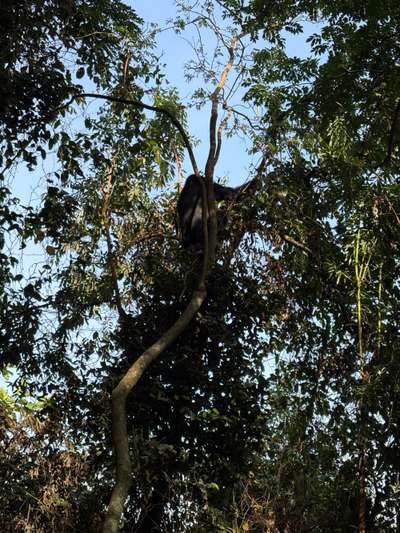
After three hours of steep climbing through dense, dripping forest, we found them. The gorilla family was resting in a clearing — unhurried, entirely indifferent to our presence. One large male sat high in the branches of a fig tree, methodically stripping leaves and folding them into his mouth. That single hour in their company, during our gorilla trekking experience in January 2026, remains one of the most concentrated encounters with wild nature I have had anywhere in the world. No photograph quite holds it.
What surprises many first-time visitors to Bwindi Impenetrable National Park is that the experience does not have to be physically extreme. Yes, some treks push deep into ridgeline terrain for four or five hours. But the park's four sectors — Buhoma, Ruhija, Rushaga, and Nkuringo — vary considerably in gradient, and the lodges perched above them have evolved into something more than simple field camps. Several now offer genuine wellness infrastructure: spa treatment rooms, yoga decks with valley views, log fires, and menus built around locally grown produce. Gorilla trekking and a slow, restorative holiday are no longer mutually exclusive.
This guide draws on personal visits to the Bwindi area in January 2026 and June 2026, including trekking with a habituated gorilla family in the Buhoma sector. All gorilla trekking rules, permit prices, and lodge details are verified for 2026.
The Mountain Gorilla: What You Are Visiting
The mountain gorilla (Gorilla beringei beringei) is one of two subspecies of eastern gorilla. The global population was assessed at approximately 1,063 individuals across two separate populations in the most recent comprehensive survey — of these, roughly 459 individuals lived in the Bwindi forest alone during the 2018–2020 survey period, according to data referenced in Uganda Wildlife Authority (UWA) reporting. The Bwindi population is genetically distinct from the Virunga population shared between Rwanda, Uganda, and the Democratic Republic of Congo.
The species was formally brought to wider scientific attention in the late 19th and early 20th centuries, but the conservation framework that protects the Bwindi animals today has deeper roots in the region's missionary and medical history. Leonard Sharp, a Scottish missionary and physician, established a hospital for leprosy patients on Bwama Island in Lake Bunyonyi in 1921 — a landmark of colonial-era welfare work whose legacy connects to the broader story of how outside institutions shaped this corner of south-west Uganda over the following century. The road from charity medicine to community-based conservation tourism is a long one, but the connections are real.
Conservation of the mountain gorilla is now formally managed by UWA in partnership with international organisations including the African Wildlife Foundation, which supports community programs around the park boundary. The German-based Berggorilla- und Regenwalddirekthilfe e.V. also operates conservation and community support projects in the Bwindi region. This layered international involvement means the gorillas are among the most thoroughly monitored wild animals on earth — and it explains why the trekking rules are enforced with unusual strictness.
Gorilla Trekking Rules: What You Must Know Before You Go
The regulations governing gorilla trekking in Uganda are set by the Uganda Wildlife Authority and apply uniformly across all four sectors of Bwindi Impenetrable National Park. They exist to protect the gorillas from human disease transmission and behavioural disruption — two threats that, given the small global population, carry genuine conservation weight.
The Core Conduct Rules
Visitors must maintain a minimum distance of 7 metres from any gorilla at all times. In practice, the animals occasionally approach the group — in which case guides instruct everyone to move back slowly and quietly. You stay with the family for exactly one hour, timed from the moment of first contact. Sitting rather than standing is strongly preferred once the family is settled; it lowers your visual profile and communicates non-aggression.
Flash photography is prohibited entirely — sudden bright light stresses the animals and can provoke defensive behaviour. Feeding the gorillas, even unintentionally by dropping food, is equally prohibited. Group size is capped at eight visitors per habituated family per day, a limit UWA enforces through the permit system. Children under 15 years of age are not permitted to participate under any circumstances.
Health Screening
Anyone showing symptoms of an infectious illness — respiratory infection, conjunctivitis, gastrointestinal illness — must declare this to their guide before the trek begins. Mountain gorillas share a high proportion of their immune biology with humans and are highly susceptible to human pathogens. UWA guidelines state that symptomatic trekkers should postpone; responsible tour operators enforce this even when clients resist. During our January 2026 trek, all participants were asked to confirm their health status at the trailhead before permits were checked.
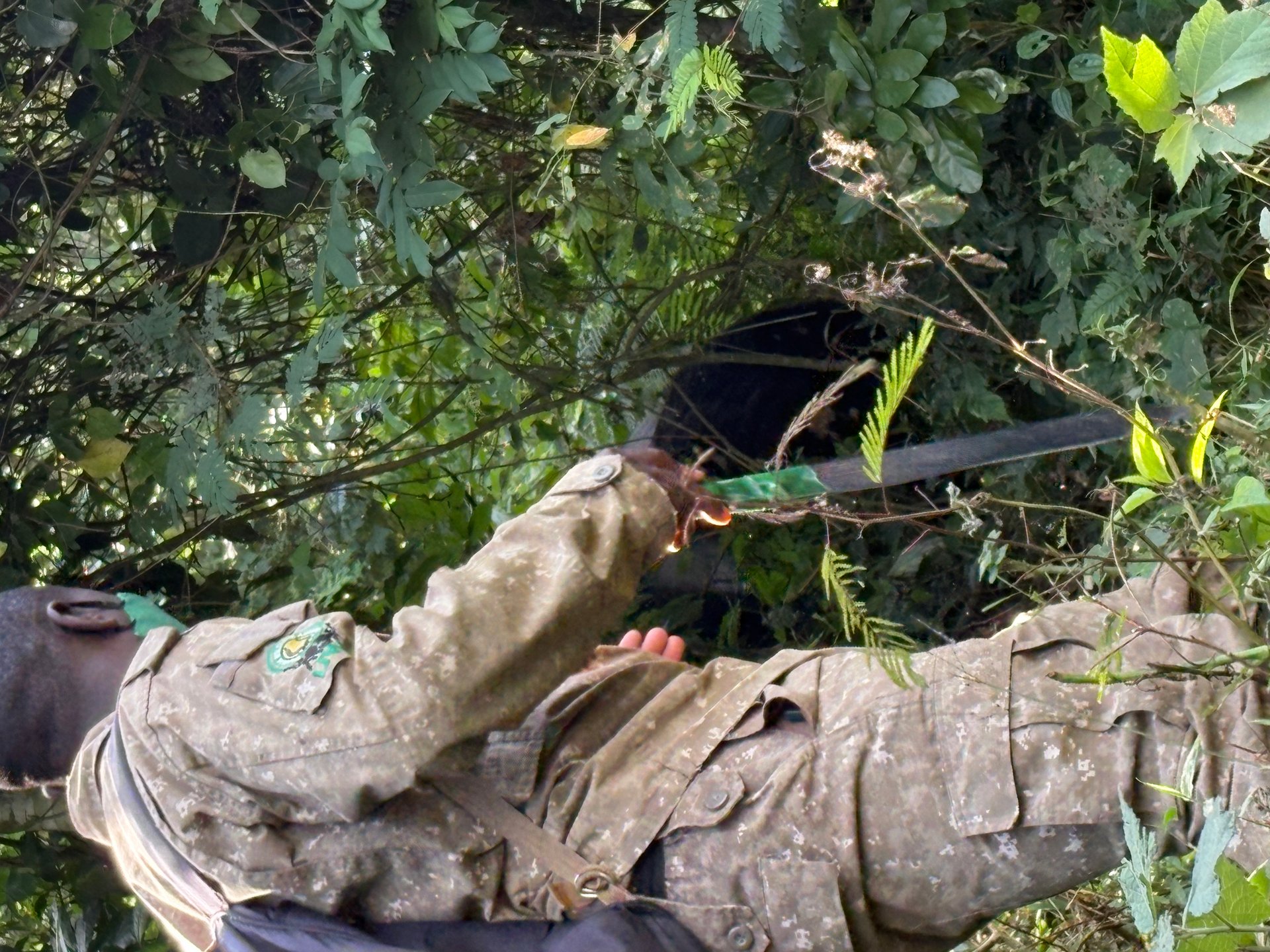
On our trek, the group was accompanied by one lead guide and two armed rangers. The weapons felt incongruous in that setting — the forest felt peaceful, the gorillas calm — but the rangers' primary function is to monitor the gorilla family's GPS position and to clear dense vegetation. They were, in the words of our guide, essential logistics rather than a security theatre. On the steeper sections, both rangers offered a steadying hand without being asked.
Environmental Responsibilities
Uganda's National Environment (Waste Management) Regulations, S.I. No. 49 of 2020 (verify) require all individuals to minimise plastic waste generation and to use alternative packaging materials that do not persist in the environment. In the context of gorilla trekking, this means carrying reusable water bottles and packing out all waste — the forest floor inside the national park boundary has no waste collection infrastructure, and single-use plastic in a UNESCO World Heritage Site is particularly damaging. Good lodges provide refillable bottles as standard.
Gorilla Trekking Permits: Prices and How to Book
A gorilla trekking permit in Bwindi Impenetrable National Park costs USD 800 per person in 2026 (peak season). This price is set and enforced by UWA and applies equally regardless of whether you book independently through the UWA website or through a licensed tour operator. During the designated low season — April, May, and November — reduced permits may be available at USD 450 per person, subject to availability.
A separate and more demanding experience is the Gorilla Habituation Experience, available only in the Rushaga sector. This permits four visitors to spend up to four hours with a gorilla family that is still in the process of becoming fully accustomed to human presence. Permits for habituation cost significantly more — at or above USD 1,500 per person — and the trek itself is rated strenuous.
Permits for peak months, particularly June through September and December through February, routinely sell out three to six months in advance. UWA allocates a fixed daily quota per gorilla family, typically eight visitors. Booking through a licensed Ugandan tour operator is the most reliable route; they hold permit blocks and can confirm availability before your flights are purchased. Walk-in availability at sector gates exists but cannot be counted on.
Luxury Lodges in Bwindi: Where Wellness Meets Wilderness
Bwindi's premium lodge market has matured steadily since the early 2000s. The best properties now offer a standard of comfort — heated showers, king-sized beds, fireplaces against the cold mountain nights — that bears no comparison to the park's early tented camp era. Importantly, under Uganda's National Environment (Audit) Regulations S.I. No. 47 of 2020 (verify), luxury tented camps, lodges, hotels, and resort facilities located within or adjacent to wildlife or forest reserves, or near wetlands, are subject to mandatory environmental compliance audits. This means that permitted premium lodges operating legally in Bwindi have passed environmental screening — a meaningful baseline for responsible tourism.
Clouds Mountain Gorilla Lodge and Volcanoes Bwindi Lodge
Clouds Mountain Gorilla Lodge, operated in the Nkuringo sector in the park's south, is consistently cited as one of East Africa's finest wilderness properties. The elevation — around 2,000 metres — means temperatures drop sharply at night, and the in-room fireplaces are functional necessities rather than decorative features. The spa, yoga platform, and gourmet kitchen complete a proposition aimed squarely at travellers who want a restorative experience alongside their wildlife encounter. Volcanoes Bwindi Lodge, positioned in the Buhoma sector, takes a similar approach with a more immediate forest-edge location — morning mist rolls in from the canopy and sits against the lodge windows.
These properties cater to a primarily North American and European market. The United States was Uganda's leading long-haul source market with 49,414 arrivals recorded in 2016, and the profile of Bwindi's premium lodge guest skews strongly toward US travellers willing to combine an East African safari circuit with a gorilla trekking experience that, at USD 800 per permit, is already expensive before accommodation is factored in.
Nkuringo Bwindi Gorilla Lodge
Nkuringo Bwindi Gorilla Lodge, sitting at 2,090 metres above sea level with 18 rooms, occupies a ridge above the Nkuringo habituation site. It is community-owned in structure, with revenues channelled into local development through a formal community trust model. The lodge works with the Uganda Carbon Bureau on carbon offset programmes, making it one of the few Bwindi properties with a formally verified environmental impact framework. At this altitude, cloud cover is frequent, the air is cool, and the view across the gorilla-inhabited forest below carries genuine weight.
Ruhija Gorilla Safari Lodge
Ruhija Gorilla Safari Lodge — a rustic property with double rooms and wooden cottages positioned close to the Ruhija sector trailhead — occupies a different market position than the premium Nkuringo properties. It is part of the Asyanut Safari enterprise and offers solid, unpretentious accommodation at accessible prices. For visitors whose priority is the gorilla experience rather than spa facilities, Ruhija remains a practical and well-located base. The Ruhija sector is known for excellent birdwatching alongside gorilla trekking.
Buhoma Community Rest Camp and Gorilla Bluff Lodge
Buhoma Community Rest Camp sits directly at the Buhoma park entrance — one of the most convenient locations in the entire park for early morning permit departures. It is a community-operated property offering a range of accommodation types, and it sits at the centre of Buhoma's small cluster of lodges, camps, and guesthouses. The village of Buhoma itself, visible from the camp, is undergoing road improvements: the main street — a strip of red-earth road flanked by corrugated-iron-fronted shops — is scheduled to receive a tarmac surface in 2026, a visible indicator of the economic momentum that gorilla tourism has brought to the surrounding community.
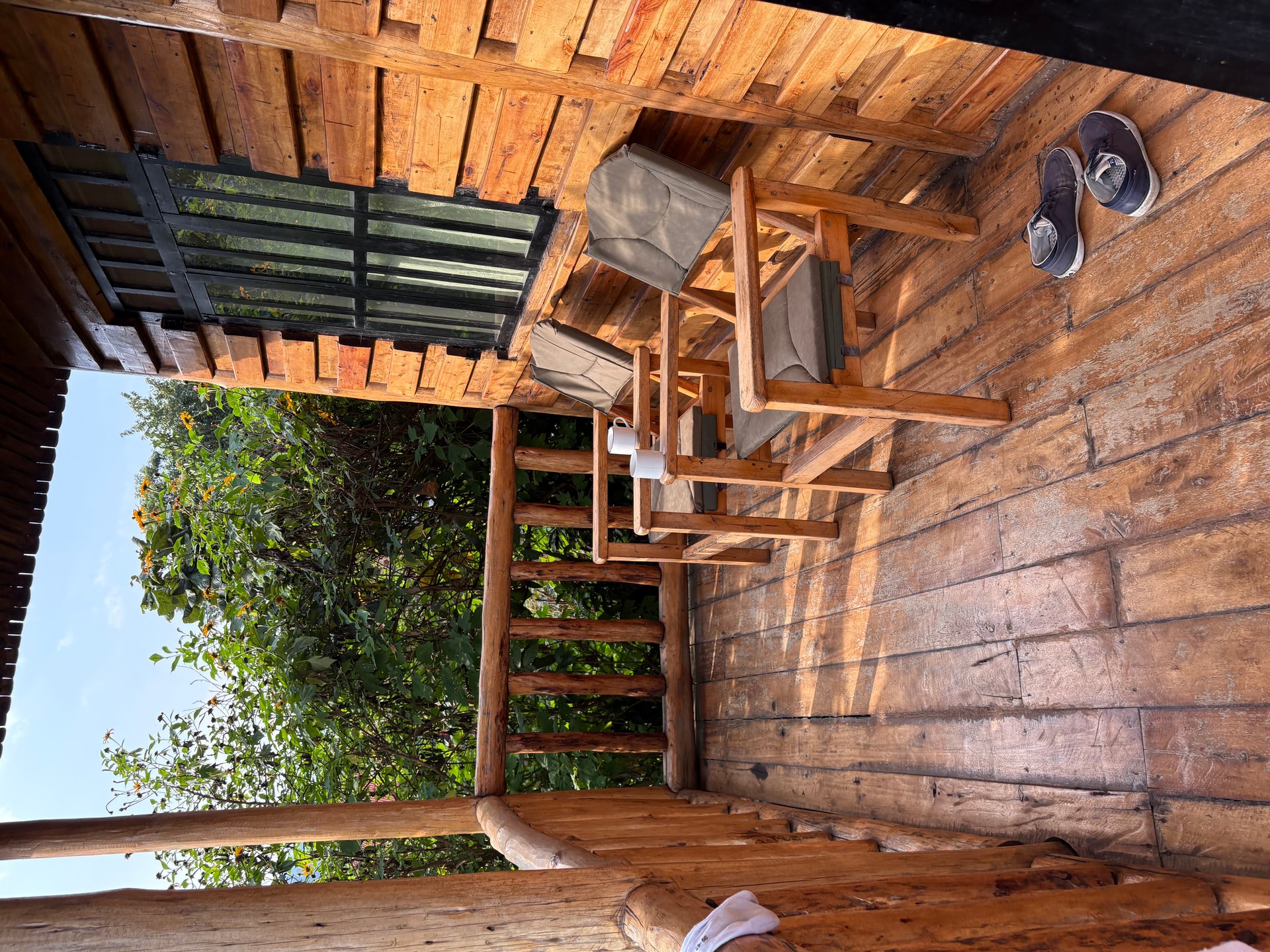
During our stay in January 2026, we were based at Gorilla Bluff Lodge, a mid-range property built into the hillside above Buhoma. The lodge is constructed in steep terrain — wooden staircases connect the guest rooms to the main building, and several of the steps require both hands on the railing. Every morning, coffee and African tea arrived at our terrace before the trek briefing. The accommodation is modest by comparison with Clouds Mountain, but the intimacy of the hillside setting — listening to the forest through the open window at night — was its own kind of luxury.
Planning a Wellness Retreat in Bwindi: Practical Considerations
Best Time to Visit
Bwindi's two dry seasons — June to September and December to February — offer the firmest trails and the clearest light. When I visited in January 2026, the mornings were sharp and clear, with mist lifting off the canopy as the sun climbed. The long rains of March to May and the shorter October–November rains make trails significantly muddier and more demanding. However, low-season permits at reduced prices attract budget-conscious travellers, and the park is quieter: you are less likely to share trailhead space with multiple permit groups.
Fitness and Physical Preparation
No gorilla trek in Bwindi is genuinely flat — the park sits in the Albertine Rift escarpment at elevations between 1,160 and 2,607 metres. The Buhoma sector offers some of the shorter possible treks; on our first morning in January 2026, our group encountered the first gorilla family within the initial hour of walking. The Nkuringo sector, by contrast, involves a steep descent into the park and a corresponding ascent on the return — a physically demanding proposition even for fit walkers. Lodges at all premium properties offer porters who carry daypacks and provide physical support on steep sections.
Yoga, Spa, and Off-Trek Wellness
For travellers arriving for two or more nights, the rhythm of a Bwindi wellness stay typically runs: early breakfast, morning trek (two to six hours depending on gorilla location), midday rest and lunch at the lodge, afternoon spa treatment or guided forest walk, sunset on the terrace. The Sabyinyo Silverback Lodge (community trust model, cottages with mountain views) and the Volcanoes brand lodges have formalised this pattern with structured wellness menus. Yoga mats, guided breathing sessions, and therapeutic massage are offered as scheduled activities rather than optional extras.
The forest surrounding Bwindi is itself a therapeutic environment — the park contains over 1,000 plant species and 350 bird species. A guided botanical walk or birdwatching morning requires no physical exertion beyond a gentle pace, and for visitors who book a gorilla trek for one day of a three-day stay, the remaining days offer genuine opportunities for the kind of slow, restorative travel that is increasingly difficult to find in East Africa's more commercialised national parks.
[QUOTE: local guide on the difference between gorilla trekking visitors and wellness-focused visitors — what they seek and what they find]
From the field
Frequently asked questions
How much does gorilla trekking in Bwindi cost in 2026?
A gorilla trekking permit in Bwindi Impenetrable National Park costs USD 800 per person during peak season in 2026. During low season — April, May, and November — reduced permits may be available for USD 450. Permits are issued by the Uganda Wildlife Authority (UWA) and allow one hour with a habituated gorilla family. The Gorilla Habituation Experience in the Rushaga sector costs significantly more (from USD 1,500) and allows up to four hours.
What are the rules for gorilla trekking in Bwindi?
Visitors must maintain a minimum distance of 7 metres from the gorillas at all times, remain quiet, and sit rather than stand when the family is resting. Flash photography is strictly prohibited, as is feeding the animals. Children under 15 are not permitted to participate, and anyone showing symptoms of an infectious illness must inform their guide before departure — the trek will be postponed for health and safety reasons. Group size is capped at eight visitors per family per day.
Which luxury lodges in Bwindi have spa facilities?
Clouds Mountain Gorilla Lodge (Nkuringo sector) and Volcanoes Bwindi Lodge (Buhoma sector) are among the best-known premium properties offering wellness amenities alongside gorilla trekking — including in-room fireplaces, gourmet menus, and spa treatments. Nkuringo Bwindi Gorilla Lodge, at 2,090 metres, is a community-owned alternative with panoramic forest views and carbon-offset accommodation verified through the Uganda Carbon Bureau. Sabyinyo Silverback Lodge operates on a community trust model with cottages and guided wellness activities.
Do I need to book a gorilla trekking permit in advance?
Yes — permits sell out months ahead, particularly during the peak dry seasons of June–September and December–February. UWA issues a fixed daily quota per gorilla family, typically capped at 8 visitors. Book directly through the Uganda Wildlife Authority or through a licensed Ugandan tour operator. Last-minute permits occasionally become available at the sector gate, but this cannot be relied upon for firm travel plans.
Is Bwindi suitable for a wellness holiday without strenuous hiking?
Yes, with the right lodge and sector choice. Premium properties in Buhoma and Nkuringo offer yoga decks, spa treatments, guided botanical forest walks, and community cultural visits that require no strenuous effort. The gorilla trek itself varies from under one hour to more than five hours depending on where the family has moved to that morning — treks from Buhoma village are typically shorter. For visitors concerned about fitness, pre-trip communication with your lodge or tour operator about trek difficulty is strongly recommended.