Overview
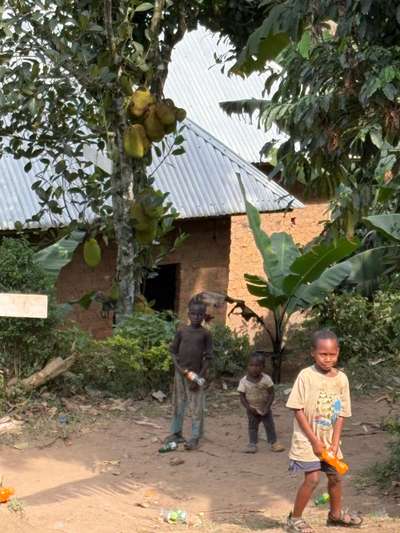
On June 21, 2026, we sat with children near the Buhoma orphanage — children whose backgrounds were complicated, whose families had paths through displacement, resettlement, and reconstruction that I only partially knew. Southwest Uganda, where Buhoma sits near the DRC border, is a different corridor from the northwest where most of Uganda's refugees from South Sudan and DRC are settled. But the larger story — Uganda hosting two million people who have crossed international borders seeking safety — is present everywhere in the country, woven into the demography, the economy, and the social fabric of every region that touches a border, and in the cities and settlements that stretch inland from those crossings.
Uganda's total registered refugee and asylum seeker population reached 2,031,697 as of June 2026. Of those, 52% — approximately 1,056,479 people — are from South Sudan. Another 33% — approximately 670,660 — are from the Democratic Republic of Congo. These two countries of origin together account for 85% of Uganda's entire refugee population. Understanding Uganda's status as Africa's largest refugee host requires understanding the specific conflicts and displacement dynamics driving people from South Sudan and the DRC across the border into Uganda.
The scale of these two refugee populations within Uganda cannot be absorbed as statistics without some grounding in what drove the displacement. South Sudan, which became the world's newest country in 2011, descended into civil war in 2013 as a conflict between the forces of President Salva Kiir and former Vice President Riek Machar fractured along ethnic lines. The 2016–2017 escalation of that conflict drove the largest single wave of displacement into Uganda — hundreds of thousands crossing into Yumbe and Adjumani districts in northwest Uganda within months. DRC's eastern provinces have experienced persistent armed group activity, inter-communal violence, and state military operations for three decades, generating successive waves of displacement into western Uganda.
South Sudan: Origin and Settlement Pattern
South Sudan's refugees in Uganda are concentrated in northwest Uganda — Yumbe, Adjumani, Arua, Moyo, and Lamwo districts form the primary reception corridor. Bidibidi settlement in Yumbe district, at its peak holding over 270,000 people, was the largest refugee settlement in the world. The northwest corridor is connected to South Sudan's Western Equatoria and Central Equatoria states — the areas that experienced the most severe violence in the 2016–2017 crisis.
The South Sudanese refugee population in Uganda is not uniform. It includes families from multiple ethnic groups — Dinka, Nuer, Madi, Kakwa, and others — who carry the same interethnic tensions that drove the conflict in South Sudan. Settlement management has to navigate the potential for conflict between groups that were on opposing sides of South Sudan's civil war, while also managing the pressure on land, water, and other resources in the host districts. Yumbe and Adjumani are among Uganda's least developed districts; hosting a refugee population that equals or exceeds the host community population has transformed their social and economic character.
Voluntary repatriation to South Sudan — the preferred durable solution under Uganda's policy framework — has been very slow. The conditions in South Sudan that drove displacement have not sufficiently improved for large-scale returns to be safe or sustainable. Peace agreements have been signed and have partially held, but the underlying ethnic and political tensions remain active. The South Sudanese refugee population in Uganda has been present for years and in many cases a decade or more, becoming a structural feature of northwest Uganda's society rather than a temporary presence awaiting resolution.
DRC: A Different Displacement Geography
The Congolese refugee population in Uganda reflects a different displacement geography and a longer, more fragmented history of conflict. DRC refugees in Uganda are settled primarily in the west and southwest — in Hoima, Kiryandongo, Kamwenge, and other districts, as well as in Kampala, where a significant urban refugee population lives outside settlements. The settlement pattern reflects the geography of eastern DRC's conflict zones — North and South Kivu, Ituri, Tanganyika — and the border crossings through which people reach Uganda.
DRC's internal displacement situation provides context for Uganda's refugee influx. At its peak, internal displacement within DRC reached approximately 7 million people — a figure that has moderated to around 5 million as some areas stabilized and returns occurred. But the underlying armed group activity in eastern DRC — M23, Allied Democratic Forces, Maï-Maï groups, and others — has not been resolved. New arrivals from DRC into Uganda in H1 2026 numbered 11,566 — a substantial continued flow that reflects ongoing instability.
The DRC refugee population in Uganda includes people who have been displaced for decades alongside recent arrivals. Long-term displaced Congolese in Uganda have built economic lives, educated children in Uganda, and in some cases have children who are Ugandan citizens. The question of their eventual status — whether they will return to a stable DRC, integrate locally in Uganda, or remain in a prolonged uncertain status — is not answered by the current policy framework and depends primarily on developments in DRC that Uganda cannot control.
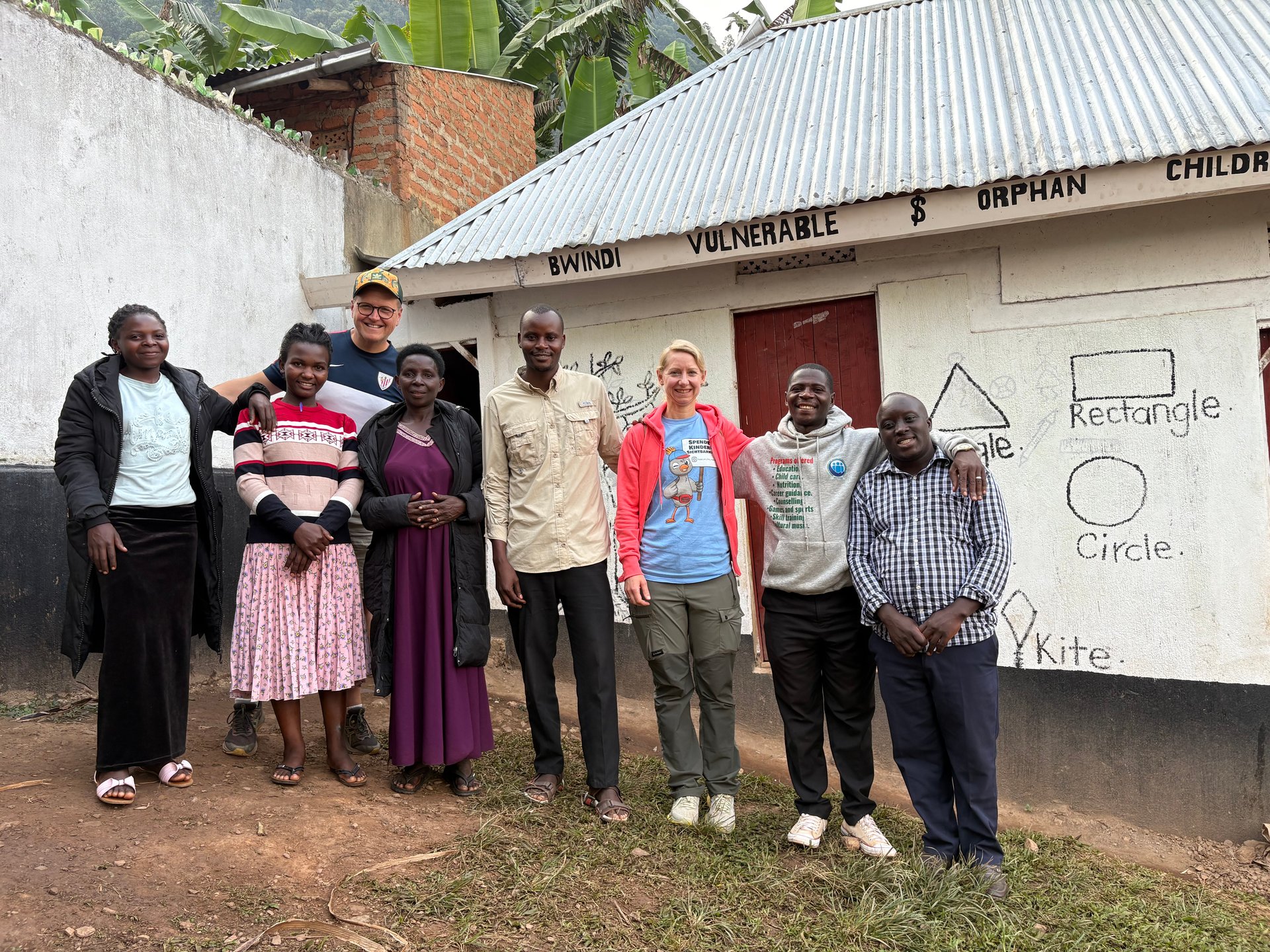
The Funding Challenge for Both Populations
Serving 2,031,697 refugees — 85% of whom come from two countries experiencing ongoing and unresolved conflict — requires sustained funding that the international humanitarian system has not consistently provided. The Uganda Country Refugee Response Plan for 2025–2026 requested USD 857 million. By mid-2025, commitments covered USD 391 million — a 54% funding gap. With 96 partner organizations implementing across the refugee response, the gap translates directly into service deficiencies: WFP ration shortfalls, drug shortages in health facilities, incomplete education coverage, limited livelihoods programming.
The South Sudanese and Congolese populations are not equally resourced within the response. The scale of the South Sudanese population — over a million people — commands significant resources and programming attention. The DRC population, while substantial, receives proportionally less donor attention in Uganda partly because the DRC crisis generates its own separate global humanitarian response that attracts funding for internal displacement. The specific needs of DRC refugees in Uganda — who have crossed an international border and have different legal status from IDPs inside DRC — can fall between the funding priorities of the two response systems.
Long-Term Prospects
The long-term prospects for Uganda's two largest refugee groups are tied directly to developments in their countries of origin. For South Sudanese refugees, a durable peace settlement that enables returns is the primary pathway to population reduction in Uganda. The 2018 Revitalized Agreement on the Resolution of the Conflict in South Sudan created conditions for some return movements, but the scale of voluntary repatriation has been far below what the agreement's optimistic projections anticipated.
For Congolese refugees, the trajectory of eastern DRC's armed group ecology — whether it moves toward gradual stabilization or continued fragmentation — determines whether return is eventually possible or whether Uganda should plan for a semi-permanent DRC refugee community. The 2024 regional peace efforts involving Uganda as a mediator reflect Uganda's direct strategic interest in eastern DRC's stability, alongside its humanitarian interest as a host country. Resolution of the DRC conflict would be, among other things, the most effective long-term refugee policy Uganda could pursue.
In the meantime, Uganda's hosting of these populations — 52% South Sudanese, 33% Congolese, totaling over 1.7 million people from just two countries — continues to represent one of the most significant humanitarian responsibilities borne by a single developing-country government anywhere in the world. The 96 partners implementing UCRRP programming, the USD 391 million in committed international funding, and Uganda's own policy framework and land allocation are collectively managing a displacement situation that will not resolve quickly, and that requires sustained engagement, not crisis-mode response.
From the field
Frequently asked questions
How many South Sudanese refugees are in Uganda?
As of June 2026, approximately 1,056,479 South Sudanese refugees are registered in Uganda — 52% of the total refugee and asylum seeker population of 2,031,697. South Sudan has been the largest country of origin since the major displacement crisis of 2016–2017, when civil war drove hundreds of thousands across the border into northwest Uganda.
How many DRC refugees are in Uganda?
Approximately 670,660 Congolese refugees from the Democratic Republic of Congo are registered in Uganda as of June 2026 — 33% of the total. DRC refugees have been arriving in waves over several decades, driven by successive armed conflicts in eastern DRC. New arrivals in H1 2026 included 11,566 from DRC.
Where in Uganda are South Sudanese refugees settled?
South Sudanese refugees are concentrated in northwest Uganda, particularly in Yumbe and Adjumani districts. Bidibidi in Yumbe district was at one point the world's largest refugee settlement. The northwest corridor from the South Sudan border to Arua hosts the majority of the South Sudanese population.
Why do South Sudanese refugees come to Uganda?
South Sudanese refugees flee civil war and inter-communal violence that has been intermittently acute since 2011, with major displacement spikes in 2013–2014 and 2016–2017. Uganda's open-borders policy, the right to work and move freely, and land allocation in settlements make it a preferred destination compared to more restrictive hosting environments.
What is the total number of refugees in Uganda in 2026?
Uganda hosts 2,031,697 refugees and asylum seekers as of June 2026, making it Africa's largest refugee-hosting country and one of the top five globally. South Sudan (52%) and DRC (33%) account for 85% of the total. Other groups include Burundians, Somalis, Rwandans, Eritreans, and Ethiopians.