Overview
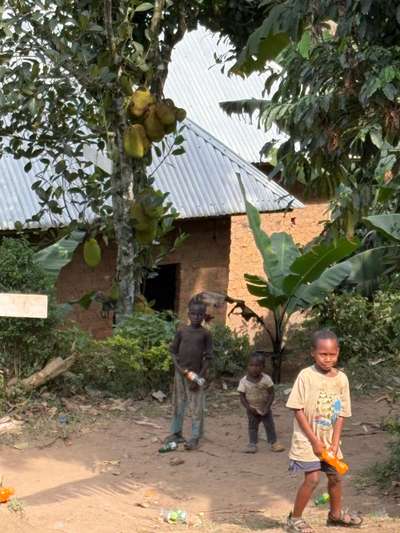
Uganda hosts more refugees than any other country in Africa — 2,031,697 people as of June 2026. That figure is not an abstraction. It represents the largest forced displacement caseload on the continent, managed by a country with a GDP per capita of USD 1,375, through a legal framework that grants refugees land, freedom of movement, and the right to work. During multiple visits to southwest Uganda, including GPS-documented field work in June 2026, I have observed the conditions that these numbers describe: reception centres operating near capacity, settlements where food rations fall short of the 2,100-calorie daily standard, and communities — both refugee and host — navigating a system built on good principles and chronically inadequate funding.
The eleven articles in this collection cover every major dimension of Uganda's refugee response: its scale, its coordination architecture, the operational reality at reception centres, what the 2024 self-reliance data shows, the origins of the two largest refugee groups, mental health conditions in settlements, malnutrition rates, food security, and the border dynamics driving ongoing arrivals.
All Articles in This Collection
Everything on Uganda Refugee Response: Research and Field Reporting
15 articles
- Male vs Female Refugees in Uganda: What the Data Actually ShowsUganda hosts nearly equal numbers of male and female refugees — 177,975 men and 179,245 women as of June 2026. Discover how their experiences, education, and health differ.
- Refugee Children in Uganda: How Many Are There and What Conditions Do They Face?How many children live in Uganda's refugee settlements? Over 140,000 children under 18 make up roughly 40% of the refugee population. Full statistics and context.
- Where Do Uganda's Refugees Come From? Origins, Numbers, and ContextSouth Sudan accounts for the largest share of Uganda's refugees, followed by DRC and Rwanda. Full breakdown of refugee origin countries, settlement data, and context.
- Children in Uganda's Refugee Settlements: Scale, Conditions, and the Funding GapOver 40% of Uganda's 1.9 million refugees are children under 18. Learn about their living conditions, education, nutrition, and what aid organisations are doing.
- Where Do Uganda's Refugees Come From? Origins, Numbers, and ContextSouth Sudan, DRC, and Rwanda are the top refugee origin countries in Uganda. Learn who they are, why they fled, and where they settle across Uganda's 13 districts.
- Malnutrition at Ocea Reception Centre: 41% Rate Exceeds Threshold46 children screened at Ocea reception centre in Uganda: 41% globally acute malnourished (target: under 10%). 4% severely malnourished. What the data means for Uganda's refugee nutrition response.
- South Sudan and DRC: Uganda's Two Largest Refugee Groups in 2026South Sudan accounts for 52% (~1,056,479) and DRC 33% (~670,660) of Uganda's 2,031,697 refugees. Origins, demographics, and settlement patterns of the two dominant refugee groups.
- Suicide in Uganda's Refugee Settlements: 34 Incidents in 13 Settlements (Q1 2026)34 suicide incidents recorded in 13 refugee settlements in Uganda from January to March 2026. Rwamwanja is the hotspot with 7 attempts and 2 deaths. An evidence-based analysis of crisis and response.
- The Hope-Reality Gap: 64.6% Stable Yet Pessimistic at Uganda's Borders64.6% of border communities report stable conditions but declining optimism. What the Uganda border migration data reveals about structural livelihood limits and the gap between present stability and future prospects.
- Uganda Country Refugee Response Plan: 96 Partners, USD 857M, and a Persistent Funding GapThe UCRRP coordinates 96 organisations across Uganda's refugee response. In 2024 it requested USD 857 million and received USD 391 million. What this funding gap means in practice.
- Uganda Refugee Reception Centres: Food Standards and Operational RealityUganda's refugee reception centres aim to provide 2,100 kcal daily and minimum water access to new arrivals. Data from June 2026 shows where standards are met and where gaps persist.
- Uganda Self-Reliance Index 2024: Measuring Refugee and Host Community ProgressThe Uganda Self-Reliance Index 2024 measures refugee and host community household progress across 8 domains. 66% of households achieved acceptable food consumption, but coping strategy data reveals deeper fragility.
- Uganda-DRC Border Migration: 670,000 Refugees and the Ongoing Displacement CrisisUganda hosts approximately 670,000 DRC refugees — 33% of its total. DRC internal displacement fell from 7 million to 5 million but eastern Congo remains volatile. Latest migration data for 2026.
- Uganda: Africa's Largest Refugee Host Country — 2 Million and CountingUganda hosts more refugees than any other country in Africa — over 2 million people as of June 2026. An evidence-based look at scale, policy, settlements, and the chronic funding gap.
- Refugee Livelihoods in Uganda: Four Paths to IndependenceHow refugees in Uganda build economic independence — from Habib's leather workshop in Bweyale to Mary's fruit processing and Maawia's farm. UNHCR success stories.