Overview
Uganda's poverty rate has declined substantially since the early 1990s — from above 56 percent to 39.3 percent in the 2023/24 National Household Survey. That trajectory is real, documented, and consequential. It also masks a more complex picture: the decline has been uneven across regions, slowed markedly after the 2016 drought and the COVID-19 disruption, and the poverty line of USD 1.77 per person per day is set at a level that captures only the most acute material deprivation. The articles in this collection examine Uganda's poverty data without simplification: the statistics as they are, the trends over two decades, the role of subsistence agriculture in the majority household economy, the programmes designed to accelerate the exit from poverty, and what the labour market data reveals about the economy's capacity to absorb a rapidly growing workforce.
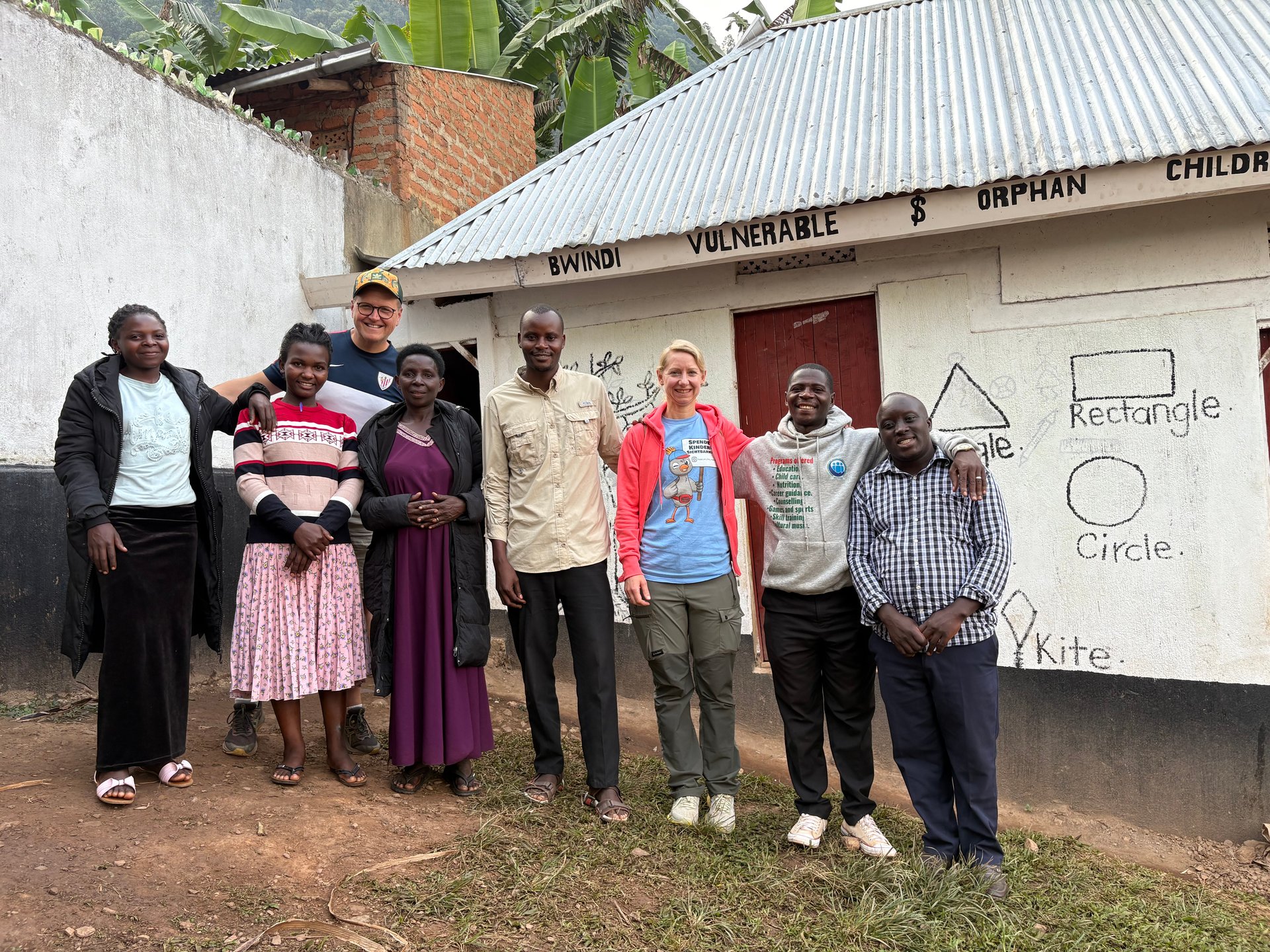
During visits to southwest Uganda in June 2026, I photographed three children from the neighbourhood of a local orphanage in Buhoma — children who were not statistics but were visibly affected by the conditions those statistics describe. That proximity informs how I read the data and what I choose to report about it.
All Articles in This Collection
Everything on Uganda Poverty and Development: Statistics, Trends and Programmes
5 articles
- Child Poverty in Uganda: How Many Children Are Affected?Nearly half of Uganda's children live in multidimensional poverty. Discover the latest statistics, causes, and programmes addressing child poverty in Uganda.
- Uganda Food Security 2026: Rainfall, Inflation, and 712,000 Refugees in Food CrisisAbove-average rainfall in 2026, food inflation at 2.5%, but 712,000 refugees in IPC Phase 3 food crisis. A data-driven analysis of Uganda's food security landscape in 2026.
- Uganda Poverty Statistics 2024: HDI Rank, Gini Coefficient, and Household Welfare DataUganda National Household Survey 2023/24 results: HDI 0.582 (rank 157/193), Gini coefficient 42.7, GDP per capita USD 1,375, unemployment 2.7%. Full poverty profile.
- Uganda Poverty Trends 2024: How Poverty Rates Changed from 2016/17 to 2023/24Uganda's poverty reduction trajectory from 2016/17 to 2023/24 — national poverty line USD 1.77/person/day, exceeding MDG targets, but with persistent regional gaps and subsistence dependency.
- Poverty Reduction in Uganda: Graduation, SYPO and SUPREMEHow Uganda addresses poverty through Graduation Programmes, SYPO microfinance, and youth empowerment. Evidence from the 2023/24 National Household Survey and field visits.