Visitor Arrivals Overview
Uganda's tourism sector saw sustained growth in the years leading to 2020, reaching approximately 1.5 million international visitor arrivals in 2019 according to UTB data. This represented a significant increase from 1.3 million in 2015. The COVID-19 pandemic caused a near-complete collapse of international arrivals in 2020 and 2021, with the sector recovering gradually through 2022 and 2023.
As of the most recent UTB reporting period, Uganda is on a recovery trajectory, with arrivals in 2023 approaching 2019 levels. The government's tourism development strategy targets 4 million visitors annually by 2030.
Revenue Trends
Tourism contributed approximately USD 1.6 billion to Uganda's economy in 2019, the equivalent of roughly 8% of GDP. The sector is Uganda's second-largest foreign exchange earner after coffee. Direct tourism employment was estimated at over 600,000 jobs in the same period.
Revenue is heavily concentrated in wildlife tourism. Gorilla trekking permit sales alone generated more than USD 11 million annually for the Uganda Wildlife Authority in 2018–2019, with the majority of this revenue allocated to park management and community benefit programs under the UWA revenue-sharing scheme.
Top Source Markets
The United States has consistently been Uganda's single largest source market for international tourist arrivals, typically accounting for 12–15% of leisure visitors. The United Kingdom, Germany, and other Western European markets collectively represent a further 20–25%. Regional African markets, particularly Kenya, Rwanda, and Tanzania, contribute significantly to business and transit arrivals.
Chinese arrivals, though growing from a low base, remain a relatively small share of Uganda's tourism market compared to East Asian tourism patterns in Kenya or Tanzania. UTB has identified China and India as priority source market development targets.
Wildlife Tourism
Mountain gorilla trekking is the flagship wildlife tourism product and the primary driver of high-value international tourism. At USD 700 per permit, Uganda's gorilla trekking fees are competitive with Rwanda (USD 1,500) and significantly lower than some market observers recommend for conservation-based pricing.
UWA's revenue-sharing program allocates 20% of gate fees to communities surrounding national parks. In Bwindi's case, this has funded schools, health centers, and local infrastructure, building community support for conservation. The program is widely cited as a model for linking wildlife protection with community development.
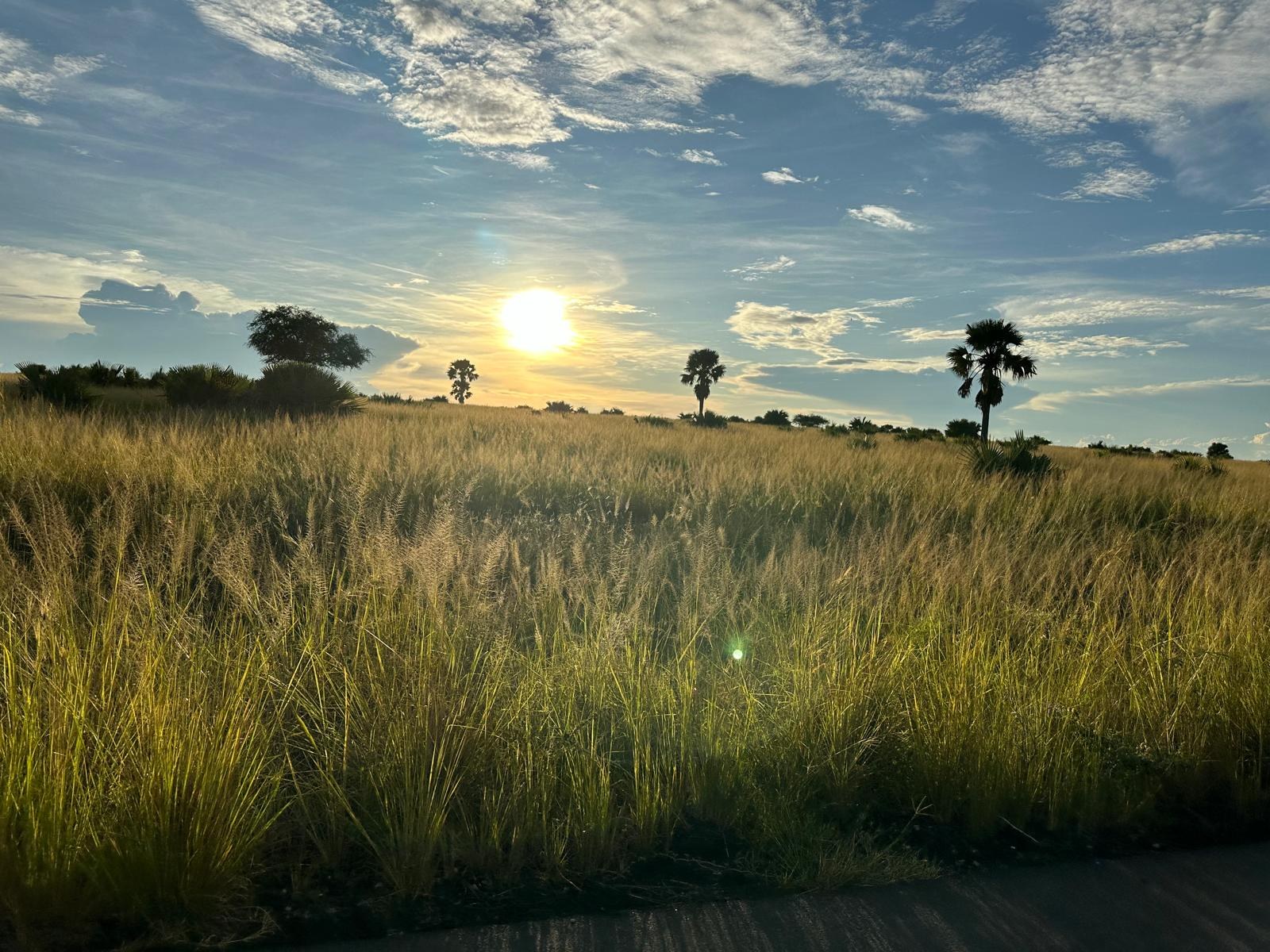
Chimpanzee tracking in Kibale National Park and savanna wildlife tourism in Queen Elizabeth and Murchison Falls national parks represent the second tier of wildlife tourism, with permit prices significantly lower than gorilla trekking.
For a broader analysis of Uganda's tourism economy including visitor mix, revenue sources, and job creation data, see Uganda's Tourism Economy: Visitors, Revenue and Jobs.