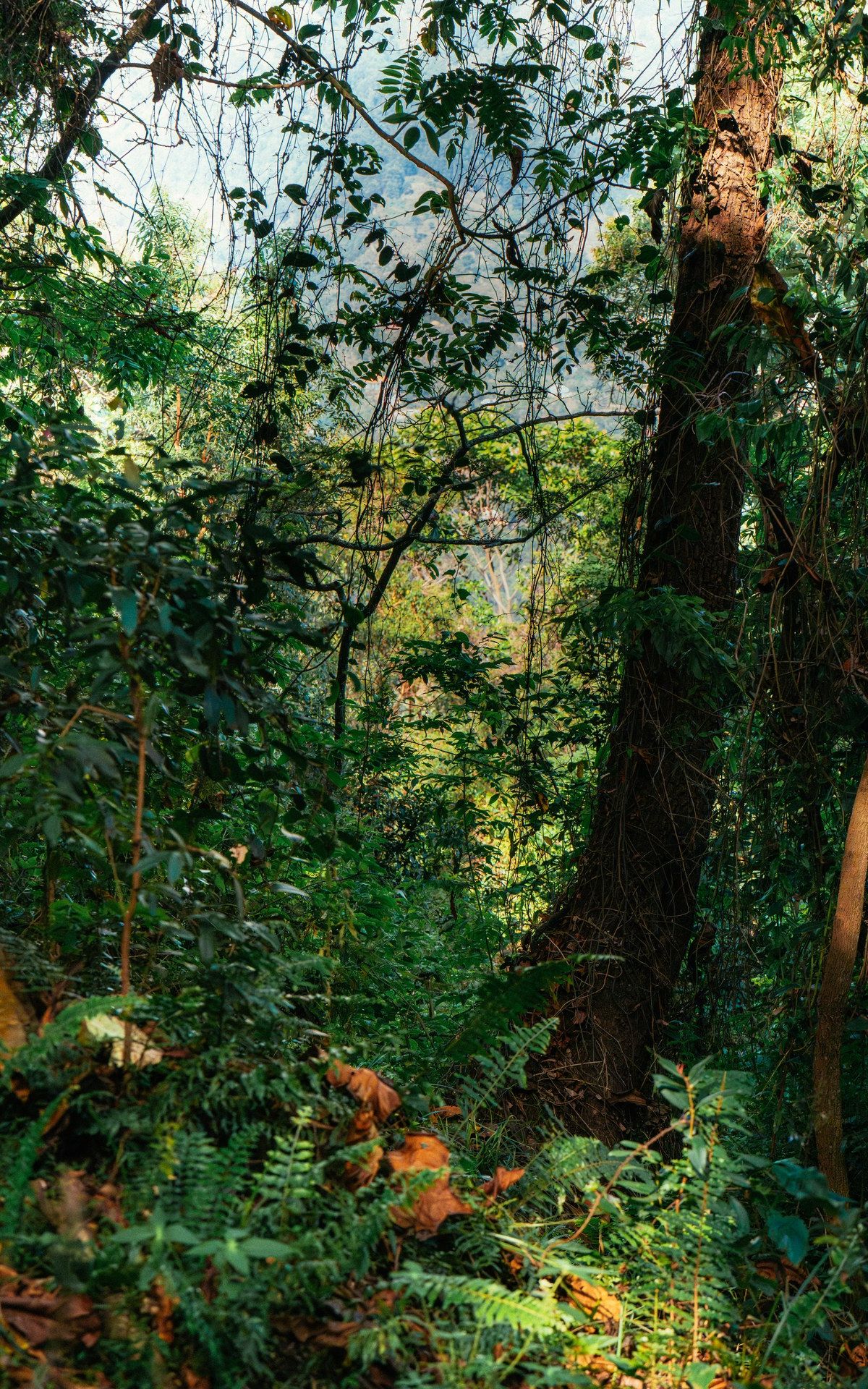
Kabale is the principal town of southwest Uganda and the practical gateway for gorilla trekking at Bwindi Impenetrable National Park and for exploring Lake Bunyonyi. Situated at approximately 1,870 metres above sea level — one of the highest towns in Uganda — it has a cooler climate than most of the country, reliable banking and mobile connectivity, and a compact centre that is easy to navigate on foot. Most travellers spend one night here before continuing to Bwindi or the lake.
During a visit to the region in October 2024, Kabale struck us as a town that rewards slowing down. The market is one of the liveliest in the southwest, the food is honest and well-priced, and the hostels have genuine character — not the generic backpacker infrastructure that shows up in most East African transit towns.
Getting to Kabale
Kabale lies approximately 420 kilometres southwest of Kampala along the A109 highway. Daily post buses and shared minibuses (matatus) depart from Kampala's Old Taxi Park; journey time is 6 to 8 hours depending on road and traffic conditions. Companies including Kalita, Link Bus, and Gaagaa serve this route. One-way fare is typically 25,000 to 35,000 UGX (7 to 9 USD). Book the evening before for an early morning departure.
From Kabale, shared vehicles to Bwindi depart from the main taxi park in the early morning toward Buhoma and other sectors. Confirm times the evening before — services run once or twice daily. Private vehicle hire is available through most hostels and typically costs 80,000 to 150,000 UGX for a one-way transfer to the park gate, depending on destination sector.
Where to Stay in Kabale
Kabale has accommodation for every budget, from 5 USD hostel beds to mid-range guesthouses. Three properties stand out for different reasons.
Kwanzi Hostel (from 5 USD single / 10 USD double) sits on a hillside with views across town from The Nest restaurant terrace. The property integrates a small museum on Bakiga history and culture — one of the few places in Kabale where this material is presented to visitors. The souvenir shop stocks goods from Grace Villa, a local orphanage project. Staff are reliable for organising Lake Bunyonyi canoe tours.
Kabale Backpackers (from 9 USD single / 15 USD double) is run by Lilian Kamusime, deputy chairperson of the Uganda Safari Guides Association. Ten percent of the hostel's revenue goes directly to the Rumbugu Primary School — a structural commitment, not a seasonal donation (source: Reiseführer Uganda 2020). Central location; staff can arrange vehicle hire and guided trips.
Victoria Guesthouse (20 rooms) provides a reliable central fallback when the two properties above are fully booked, which occurs during peak gorilla trekking season in June to August and December to January.
For a detailed breakdown of budget accommodation with prices, see our budget travel guide to Kabale.
Where to Eat
The market area and the streets around the taxi park have the cheapest eating in town: rolex (egg omelette in chapati), matoke (steamed green bananas), rice and beans, and grilled chicken for 2,000 to 5,000 UGX a plate. Busy stalls with local workers are the best quality indicator — avoid quiet ones.
The Nest at Kwanzi offers a more considered menu with local dishes at moderate prices and an open view across the town. For a full meal with cold drinks, the attached restaurants at both major hostels are consistent and honest on pricing.
Practical Information
- Banks and ATMs: Stanbic Bank and Centenary Bank both have branches in central Kabale with reliable ATMs. Bring sufficient cash if heading into rural areas — ATMs are scarce beyond Kabale town.
- Market: The main market operates daily and is largest on Saturdays. Produce, textiles, hardware, and food stalls across several blocks. Worth a visit even if you are not buying.
- Mobile data: MTN and Airtel both have strong coverage in town. Signal weakens significantly on rural roads toward Bwindi.
- Medical: Kabale Regional Referral Hospital is the main facility in the southwest. Basic pharmacies are available in the town centre.
- Altitude note: At 1,870 metres, evenings in Kabale are noticeably cooler than Kampala or Entebbe. Bring a layer.
Lake Bunyonyi: 29 Islands and a Complicated History
Lake Bunyonyi lies approximately 6 kilometres from Kabale — 30 minutes by boda-boda. According to Reiseführer Uganda 2020, the lake contains 29 islands, accessible by dugout canoe or motorboat. Most are uninhabited or hold small lodges; a handful carry significant historical weight.
Bwama Island is the most historically loaded of them. In 1921, Scottish missionary and physician Leonard Sharp founded a leprosy hospital there — one of the earliest medical facilities in this part of Uganda. At the epidemic's peak in the 1980s, the hospital was caring for 5,000 patients. When modern leprosy therapy became available in the 1980s, patients gradually left the island. Today Bwama hosts a school with a boarding section. Sharp's original residence survives and is now part of the Njuyeera (Sharp Island) Gorilla Lodge, named in his memory.
Akampene, known as Punishment Island, is a small, bare outcrop with a grim historical purpose. Bakiga women who became pregnant outside of marriage were historically stranded there — a punishment that functioned as a death sentence, since their families could not repay the bride price. The practice ended during the colonial period. The island is visited today as a sober historical landmark on canoe tours.
Canoe tours covering the main islands can be arranged through Kwanzi Hostel or independently at the lake shore. Half-day tours typically run 2 to 4 hours depending on which islands you include.
Organising Gorilla Trekking from Kabale
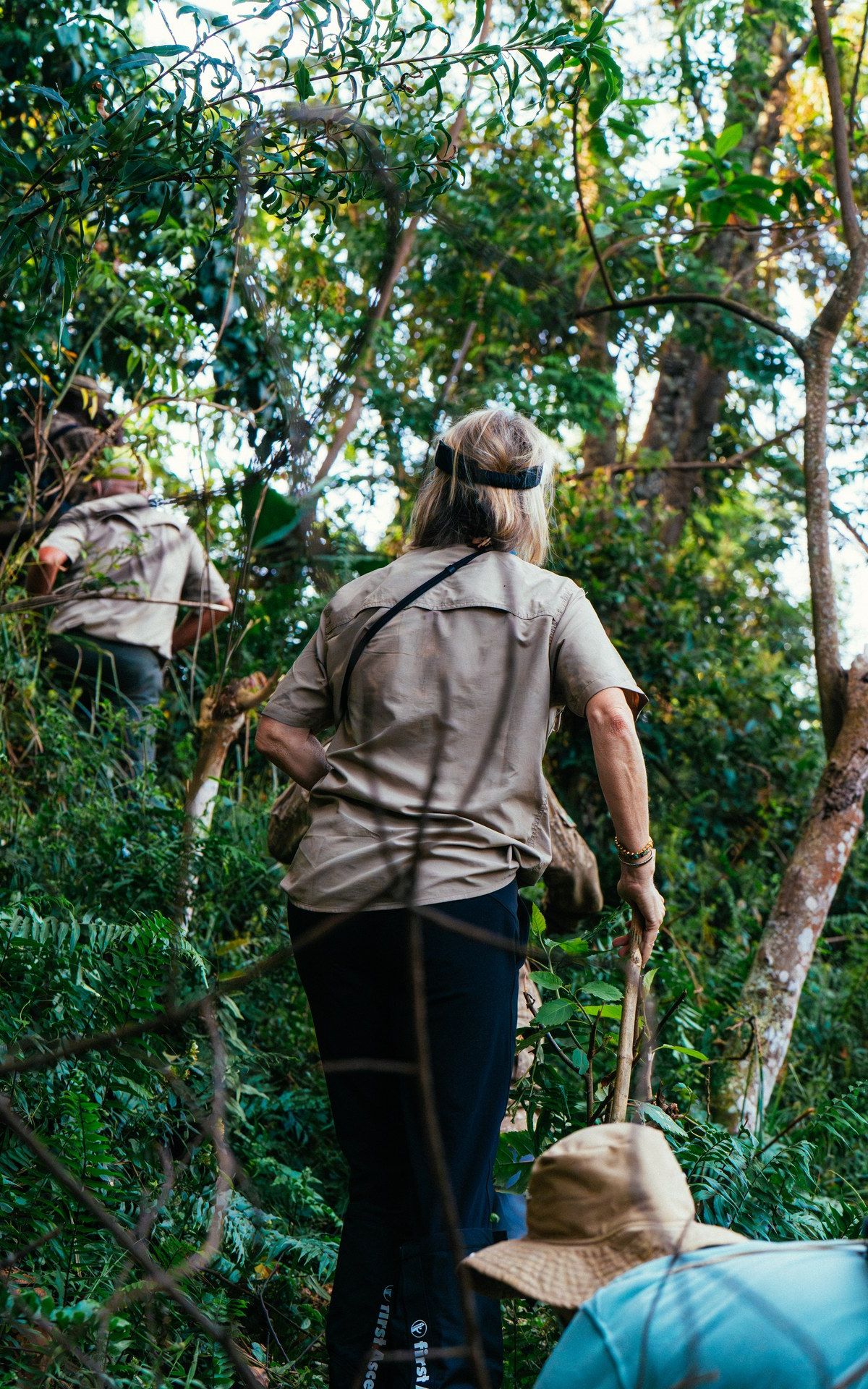
Kabale is the main logistics hub for gorilla trekking at Bwindi Impenetrable National Park. Most travellers arrange their permits before arriving — through the Uganda Wildlife Authority (UWA) directly or via a licensed tour operator. Permits for foreign non-residents cost 800 USD per person for foreign non-residents (UWA rate) and sell out months in advance during peak season.
If you are arriving without a permit and hoping for a last-minute slot, the hostels in Kabale are the best place to start asking. Cancellations do occur, and hostel staff often have current information on availability. The UWA office in Kampala can also confirm real-time permit status by phone.
Vehicle transfer from Kabale to the Bwindi gate takes approximately 1.5 to 2 hours for Buhoma sector, longer for southern sectors. Most trekkers depart Kabale between 05:30 and 06:30 to reach the 07:30 briefing point on time.
For a full breakdown of what to expect on the day, see our complete gorilla trekking guide.
When to Visit Kabale
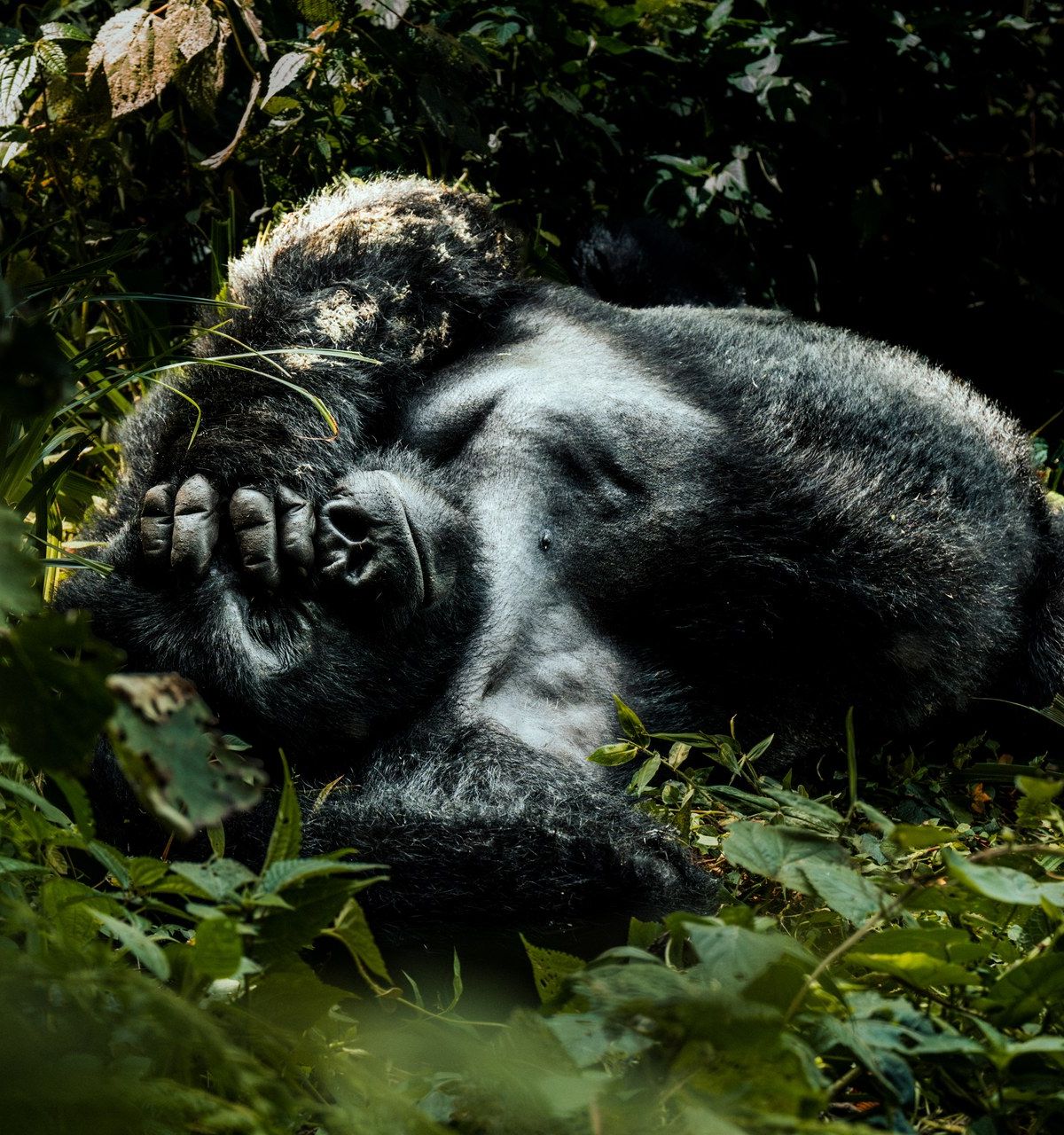
Kabale is a year-round destination, but the experience shifts significantly between seasons. The dry seasons — June to August and December to February — bring the best conditions for both gorilla trekking (firmer trails, more predictable gorilla movements) and lake activities. January, when our photos were taken, is typically clear with moderate temperatures.
The rainy seasons (March to May, September to November) make the roads to Bwindi significantly more demanding. Budget extra time for transfers and expect some routes to be impassable after heavy rain. Lodge prices are generally lower in these months, and the landscape around Kabale — terraced hills, tea plantations, dense cloud forest — is at its most vivid green.