Overview
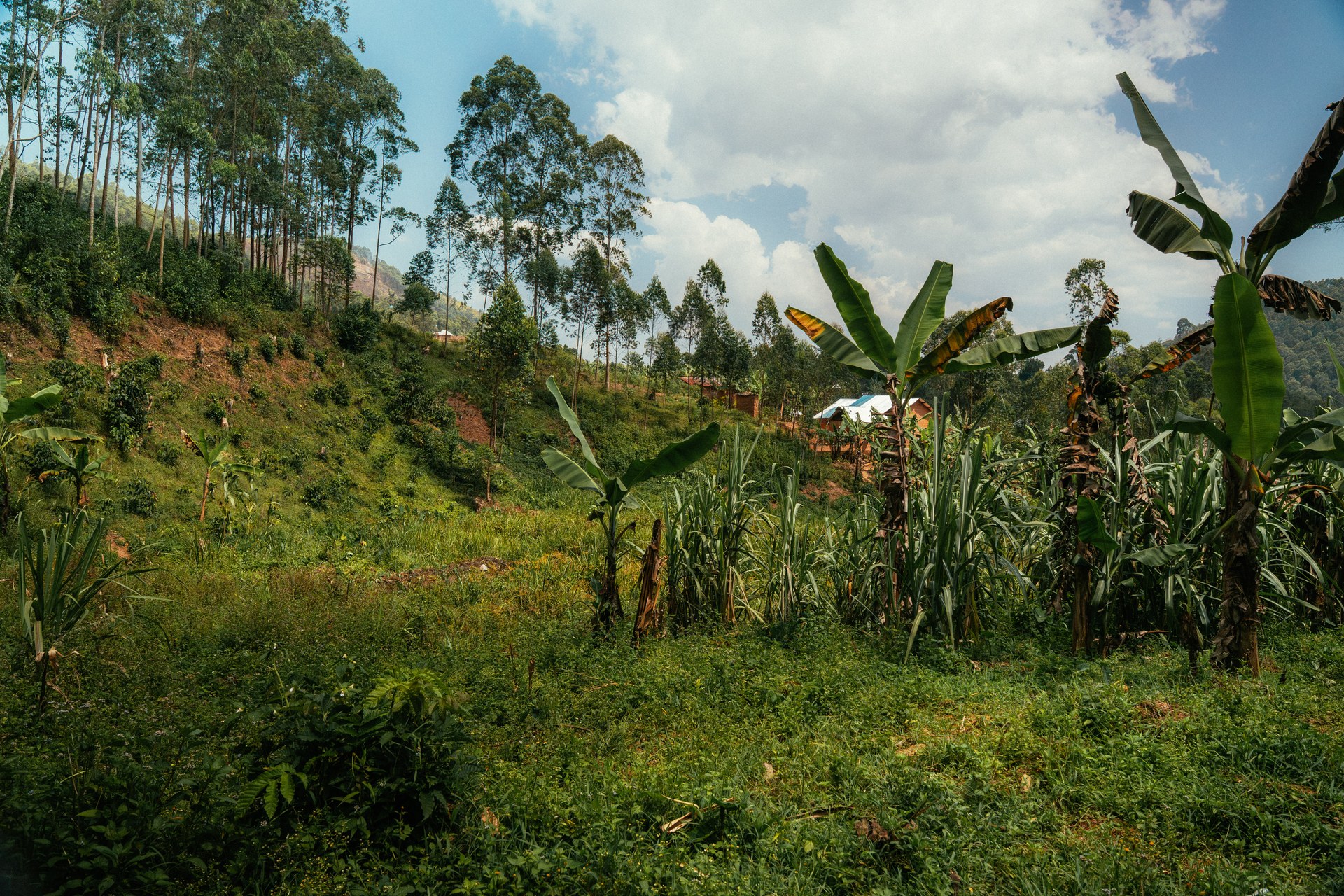
Bwindi Impenetrable National Park sits in the southwestern corner of Uganda, straddling the Albertine Rift. Its 321 km² of ancient forest — some dating back more than 25,000 years — make it one of the most biodiverse ecosystems in Africa. The park was gazetted in 1991 and inscribed as a UNESCO World Heritage Site in 1994.
The park's primary draw is mountain gorilla trekking. Bwindi is home to approximately 459 individual mountain gorillas across more than 50 family groups, of which more than 20 have been habituated for tourism. This represents roughly half of the world's entire mountain gorilla population. The other half lives in the Virunga Massif, shared between Rwanda, the Democratic Republic of Congo, and Uganda's Mgahinga Gorilla National Park.
Location and Access
Bwindi lies in Kanungu District, approximately 530 km southwest of Kampala. The most common access point is through the Buhoma sector in the north, reached via a 7–9 hour drive from Kampala or via charter flight to Kihihi airstrip, followed by a 1-hour drive. The Rushaga and Nkuringo sectors in the south are typically accessed via Kisoro or Kabale.
Gorilla Trekking
Gorilla trekking is the primary activity in Bwindi. Permits are issued by the Uganda Wildlife Authority and must be purchased in advance. As of 2025, the permit cost is USD 800 per person for foreign non-residents. Each permit allows one hour of close observation with a habituated gorilla family.
Bwindi's four sectors — Buhoma, Ruhija, Rushaga, and Nkuringo — each offer different terrain, trek lengths, and available gorilla families. Buhoma is the oldest and most established sector. Rushaga offers the largest number of habituated families. Ruhija sits at higher elevation and is known for birdwatching. Nkuringo has more challenging terrain but fewer crowds.
Wildlife
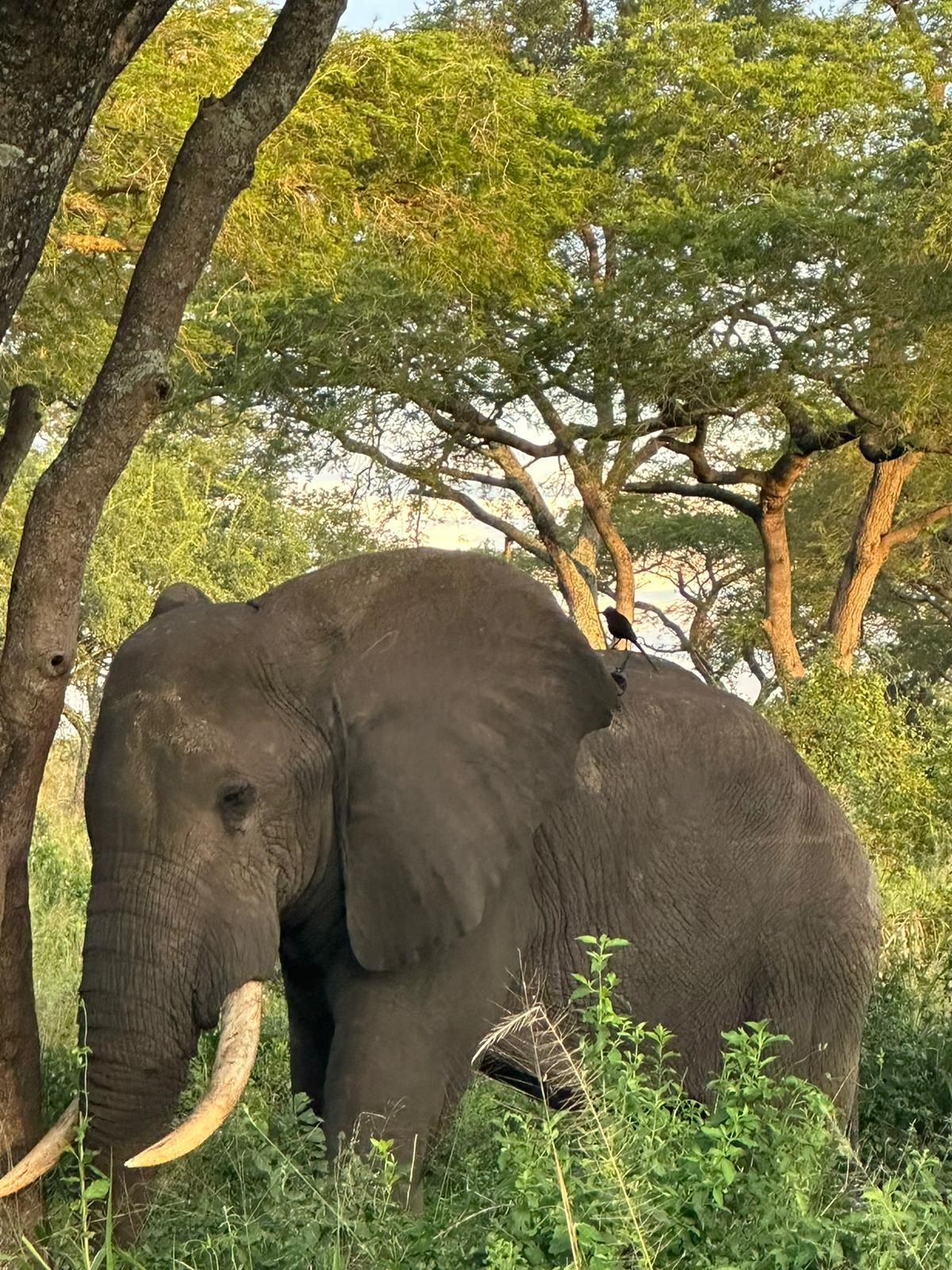
Beyond mountain gorillas, Bwindi harbors an exceptional range of wildlife. The park contains 347 species of birds, including 23 Albertine Rift endemics. Mammals include chimpanzees, African forest elephants, African buffalo, and several species of monkey. More than 200 species of butterfly and 163 species of tree have been recorded.
Best Time to Visit
Bwindi can be visited year-round. The two dry seasons — December to February and June to August — offer drier trail conditions and are generally considered the best trekking months. The wet seasons (March to May and September to November) bring heavier rainfall and muddier paths but fewer visitors and lower-priced lodge rates.
Accommodation
Accommodation options range from high-end forest lodges to budget guesthouses, clustered around each sector entry point. The Buhoma area has the most developed infrastructure. Most mid-range and high-end lodges include meals and can arrange permit transfers and forest walks.