Overview
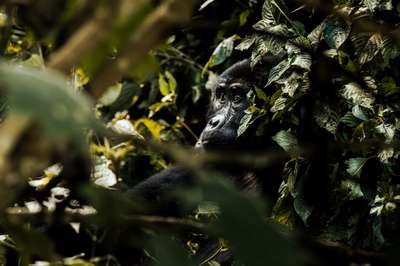
Bwindi Impenetrable National Park in southwest Uganda is home to 459 mountain gorillas — roughly half the world's total remaining population. I have trekked gorillas here twice, in January 2026 and during earlier visits, and the experience does not simplify on repetition. The forest is genuinely impenetrable in places; the gorillas are genuinely wild; the permit costs USD 800 and is worth it in a way that few tourism products are. The articles in this collection cover every aspect of planning and understanding a gorilla trek at Bwindi: which sector, what to expect on the day, the safety history and what it means now, how the conservation funding model works, the ecological threat from wire snare poaching, and what the lodge options actually deliver.
These are not generic travel guides. They are evidence-based articles built on field observation, Uganda Wildlife Authority data, and research into the conservation and community economics that make Bwindi function — or fail to. The park's survival depends on the tourism revenue that pays for rangers, community programs, and habitat protection. Understanding how those systems work is part of what any serious visitor should know.
All Articles in This Collection
Everything on Bwindi and Gorilla Trekking: Complete Guide Collection
13 articles
- Gorilla Trekking Uganda Bwindi: Population Numbers and Where to See GorillasWhere to see gorillas in Uganda: Bwindi holds 459 mountain gorillas (2018–2020 census). Full guide to gorilla trekking Uganda Bwindi — permits, sectors, population facts.
- Gorilla Trekking Uganda: Bwindi and MgahingaEverything you need to know about gorilla trekking in Uganda's Bwindi Impenetrable National Park and Mgahinga — population facts, sectors, and what the trek is really like.
- Mountain Gorilla Population in Bwindi: How Many Are There?How many mountain gorillas live in Bwindi? Uganda counted 459 individuals in 2018–2020. Learn what drives gorilla numbers, how they are counted, and what threatens recovery.
- Mountain Gorilla Behavior: Observations from Bwindi Impenetrable Forest459 mountain gorillas live in Uganda's Bwindi Impenetrable Forest — the only place on earth where both mountain gorillas and chimpanzees coexist. Field observations of gorilla behavior, social structure, and ecology.
- Gorilla Trekking Safety in Bwindi: Rangers, the 1999 Attack, and What You Will Actually EncounterArmed rangers, the 1999 attack, and how gorilla trekking safety has transformed in Bwindi. First-hand account from January 2026 with practical advice.
- Buhoma: The Community Behind Bwindi National ParkBuhoma is more than a trailhead: community tourism, a hospital founded by a German doctor, and how conservation meets daily life next to Bwindi.
- Gorilla Trekking in Bwindi: What the Day Really Looks LikeFirst-hand account of gorilla trekking in Bwindi: rangers, the trail, the moment of encounter, and staying at Gorilla Bluff Lodge in Buhoma.
- Gorilla Trekking in Bwindi: All Four Sectors, Permits, Equipment, and Preparation — 2026 GuideComplete guide to gorilla trekking in all 4 Bwindi sectors: Buhoma, Ruhija, Rushaga, Nkuringo. Permits, equipment, booking, and first-hand tips.
- Bwindi for Wellness Travellers: Luxury Lodges, Spa Retreats, and Gorilla Trekking in 2026Luxury lodges in Bwindi with spa, yoga, and fine dining — plus gorilla trekking permits ($800), rules, and first-hand tips from January 2026.
- Building HopeKitchen Buhoma: From Foundation to RoofA documentary account of building HopeKitchen Buhoma: foundation to finished roof, photographed across six months in 2026 in southwest Uganda.
- Bwindi Lodges: Luxury vs Budget — A Complete Comparison (2026)Detailed comparison of Bwindi Impenetrable National Park lodges from budget backpacker camps to luxury forest tents — by sector, price, and what you actually get.
- Bwindi: Complete Wildlife and Flora GuideBwindi hosts 200+ tree species, 357 birds, 120 mammals and 9 primate species. Complete guide to the park's extraordinary biodiversity.
- Gorilla Trekking Bwindi: Complete Guide 2026Complete gorilla trekking guide for Bwindi: permits (800 USD), best sectors, lodges by budget, packing list and best season. Based on 5 personal on-site visits.